
Is Hantavirus a Risk in Your Home? How to Protect Your Family
At Ecologic Entomology, we specialize in more than pest removal; we provide public health solutions. With renewed attention on hantavirus and its transmission, now is a good time for homeowners to understand the actual risks and what to do about them.
Hantavirus Pulmonary Syndrome (HPS) has a fatality rate that hovers around 38%, according to the CDC. That's not a number to take lightly. The good news is that exposure is almost entirely preventable if you know where the risk hides and how to respond to it.
How Does Hantavirus Spread?
Quick Answer: Hantavirus is contracted when people breathe in microscopic particles, sometimes called "micro-dust", from the saliva, urine, or droppings of infected rodents. This most often happens during routine cleaning in enclosed spaces like attics, basements, garages, or seasonal cabins where mice have been nesting undisturbed.
The danger isn't dramatic. You don't have to touch an infected mouse or be bitten. Something as ordinary as sweeping out a shed in early spring can stir up enough contaminated dust to cause infection. In our experience, the highest-risk moments are the ones that feel the most routine.
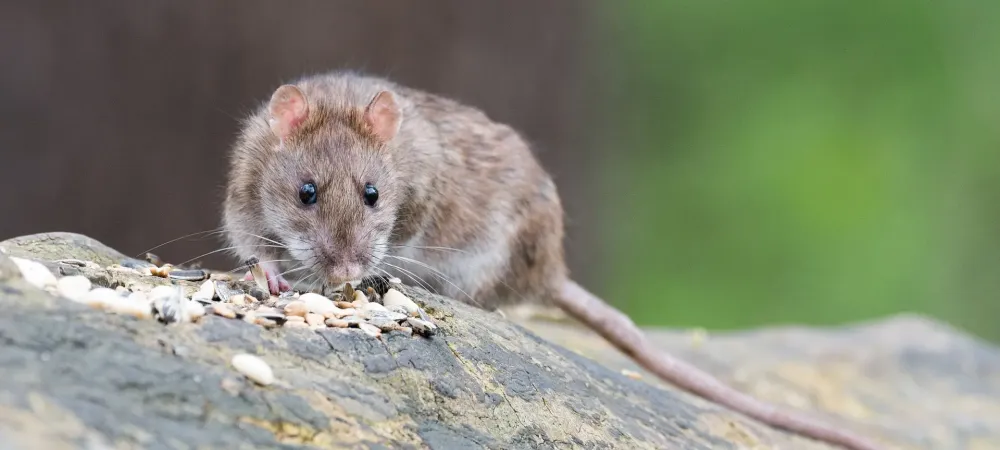
Deer mice (Peromyscus maniculatus) are the primary reservoir host for the Sin Nombre virus, the most common hantavirus strain in North America. Other rodent species can carry different strains, which is why any rodent infestation deserves serious attention. Recent reports on global hantavirus strain complexity only reinforce what public health professionals have said for years: rodent control is disease prevention. As we've covered in our piece on Bird Flu and Rats: The Overlooked Public Health Threat, rodents sit at the center of multiple zoonotic disease risks, and hantavirus is one of the clearest examples.
Why Hantavirus Exposure Happens at Home
Most people imagine hantavirus risk is something that happens in rural wilderness. In reality, the majority of exposures occur in or around residential structures. Deer mice don't need forests; they need food, water, and shelter. Your basement, garage, crawlspace, or detached storage shed often provides all three.
Mice can squeeze through openings as small as a dime. Once inside, they nest in insulation, behind walls, and in stored boxes. They contaminate surfaces quietly over weeks or months before a homeowner even notices. By the time droppings appear, the risk is already present.
This is why Integrated Pest Management (IPM) emphasizes exclusion above all else. Stopping entry at the source is more effective and safer than dealing with an active infestation after the fact.
Signs You May Have a Rodent Problem
Catching an infestation early matters. Here are the indicators to watch for:
- Droppings: Small, dark, pellet-shaped droppings along baseboards, in cabinet corners, or near food storage
- Gnaw marks: Chewed edges on food packaging, wood trim, or insulation material
- Nesting material: Shredded paper, fabric, or plant fiber gathered in hidden corners
- Tracks or rub marks: Greasy smudges along walls where rodents run repeatedly
- Sounds: Scratching, scurrying, or rustling at night inside walls or above ceilings
- Odor: A musky, ammonia-like smell in enclosed spaces like crawlspaces or utility closets
Any of these signs warrants a professional inspection, not just a trap from the hardware store. The risks tied to rodent waste require more than reactive measures.
The Right Way (and Wrong Way) to Handle Rodent Droppings
This is where many homeowners make a dangerous mistake. Do not vacuum or dry-sweep mouse droppings. Both actions aerosolize particles, sending them directly into the air you breathe. The same applies to sweeping with a dry broom.
If you discover evidence of rodent activity and need to clean the area before a professional visit, follow these protocols from the CDC:
- Ventilate first: Open all windows and doors in the affected area for at least 30 minutes before entering. Cross-ventilation matters use a fan if possible, and leave the space before the air circulates back through.
- Gear up: Wear rubber or latex gloves and an N95 or higher-rated respirator mask. Eye protection is also recommended in heavily contaminated spaces.
- Wet disinfection only: Thoroughly spray droppings, nesting material, and any contaminated surfaces with a disinfectant or a 10% bleach solution (1 part bleach to 9 parts water).
- The 5-Minute Rule: Let the solution sit for at least 5 minutes before wiping up with paper towels. Place used materials directly into a sealed plastic bag for disposal.
- Wash your hands thoroughly after removing gloves, even if they appeared intact.
These protocols apply to sheds, attics, basements, vacation cabins, and any enclosed space that may have had rodent activity. As we've discussed in our overview of urban rodent control challenges, the health dimension of rodent management is routinely underestimated.
How Professional Rodent Exclusion Protects Your Home
Traps address the symptom. Exclusion addresses the cause. Our team uses scientific data and eco-conscious methods to deliver professional rodent exclusion services built around four key strategies:
1. Structural Exclusion
We identify and seal every viable entry point, including foundation cracks, pipe penetrations, vent gaps, and door sweeps. Metal mesh and weather-resistant sealants are used for durable, long-term results. Crawlspace and attic vents are screened with hardware cloth to prevent nesting access. This isn't a one-size-fits-all patch job; it's a building-level assessment.
2. Food Source and Harborage Elimination
Rodents enter homes in search of a meal and a place to sleep. Our inspections include a review of pantry storage, pet food placement, proximity of exterior brush and woodpiles, and any exterior clutter near the foundation. Recommendations are practical and specific to your property.
3. Sanitation Guidance
If active evidence is found, we advise on safe remediation procedures, including whether professional decontamination is warranted based on the severity of the infestation and the affected spaces.
4. Ongoing Monitoring
We use electronic rodent monitoring (ERM) to detect early activity before an infestation grows. This data-driven approach means we catch problems early, not after they've spread. Our residential pest control programs include regular follow-up visits to verify that the exclusion is holding.
Concerned about rodent activity in your home? Schedule a comprehensive rodent inspection with our team. We'll assess your property and give you a clear picture of the risk, no guesswork.
Long-Term Hantavirus Prevention: What Actually Works
Here's what we tell every homeowner: prevention is a property management habit, not a one-time fix. A few consistent practices significantly reduce your long-term risk:
- Store pantry items and pet food in hard plastic or metal containers with locking lids
- Keep woodpiles and brush at least 20 feet from the home's foundation
- Inspect and re-seal utility penetrations annually, especially after winter
- Air out and inspect seasonal storage spaces, sheds, cabins, and campers before using them in the spring
- Address plumbing leaks and moisture issues promptly; rodents seek water sources
Understanding how to use rodent control tools responsibly is also part of the picture. Our breakdown of rodenticide use and ecological responsibility covers the tradeoffs in depth for homeowners weighing their options.
If you develop a fever, chills, muscle aches, or respiratory issues after cleaning a rodent-infested area, seek emergency medical attention immediately. Early symptoms of HPS mimic the flu, and the condition can deteriorate rapidly. Don't wait.
Protect Your Property with Ecologic Entomology
We don't just treat the symptoms of a pest problem; we solve the root cause. Our team of certified entomologists and trained technicians uses scientific data and eco-conscious methods to deliver rodent exclusion that lasts. In an era of evolving health risks, your home deserves a professional assessment, not a reactive fix.
Secure your home today. Contact Ecologic Entomology for a Comprehensive Rodent Inspection.
Call: 888-780-0110